Welcome to Tanzania
Tanzania is a beautiful country located in East Africa, known for its breathtaking natural wonders, diverse wildlife, and vibrant culture. In this article, we will take a closer look at Tanzania's geography, climate, and people, providing you with a comprehensive introduction to this incredible country.
Introduction
Tanzania is a country located in East Africa, bordered by Kenya and Uganda to the north, Rwanda, Burundi, and the Democratic Republic of Congo to the west, and Zambia, Malawi, and Mozambique to the south. The Indian Ocean borders Tanzania to the east. Tanzania is known for its vast wilderness areas, including the Serengeti National Park, the Ngorongoro Conservation Area, and Mount Kilimanjaro, the highest peak in Africa.
Tanzania's Location and Borders
Tanzania is located in East Africa and has a total area of 947,303 square kilometers. It is bordered by eight countries, making it one of the most well-connected countries in the region.
Tanzania's Topography
Tanzania is a diverse country with a variety of landscapes, including mountains, valleys, plateaus, and coastal plains. Mount Kilimanjaro is the highest peak in Africa, rising to 5,895 meters above sea level. The country also has several large lakes, including Lake Victoria, the second-largest freshwater lake in the world.
Tanzania's Climate
Tanzania's climate varies depending on the region, but it is generally warm and tropical. The coastal areas are hot and humid, while the highlands are cooler. The country experiences two rainy seasons each year, from March to May and from November to January.
Tanzania's Natural Resources
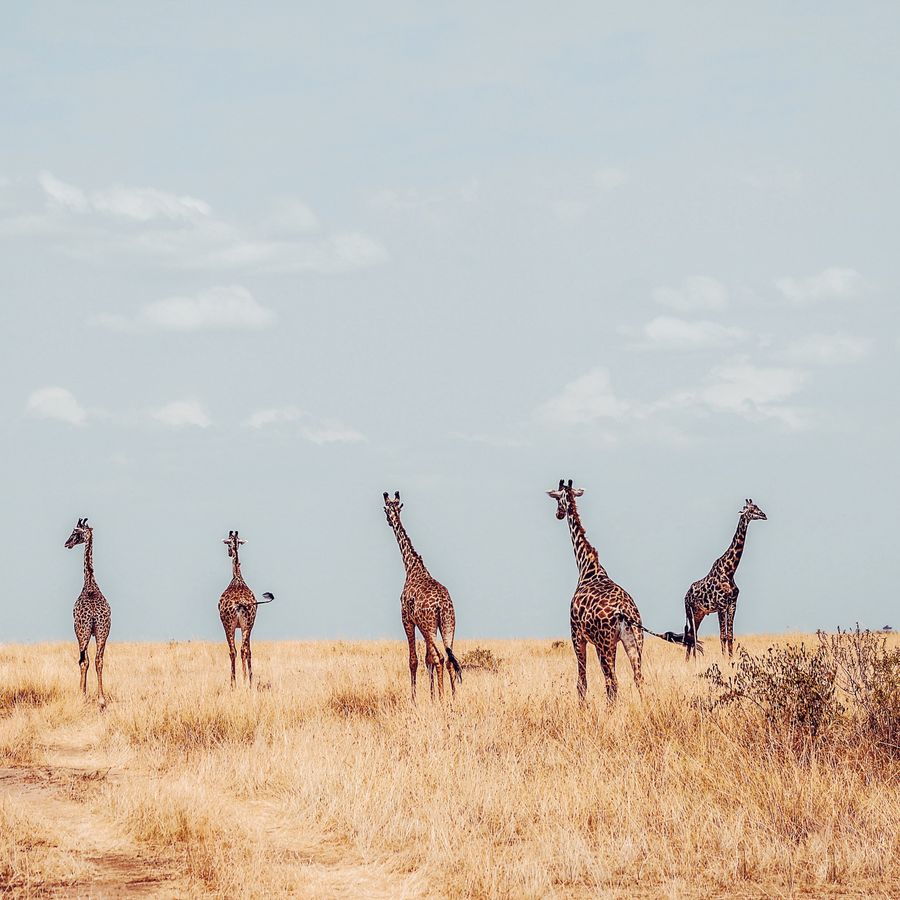
Tanzania is rich in natural resources, including minerals, forests, and wildlife. The country is home to several national parks, including the Serengeti National Park and the Selous Game Reserve, where visitors can see some of Africa's most iconic animals, including lions, elephants, and giraffes.
Tanzania's Wildlife
Tanzania is renowned for its incredible wildlife, which includes over 4 million large mammals and over 1,100 species of birds. The country is home to some of Africa's most famous animals, including lions, elephants, zebras, giraffes, and cheetahs.
Tanzania's People and Culture
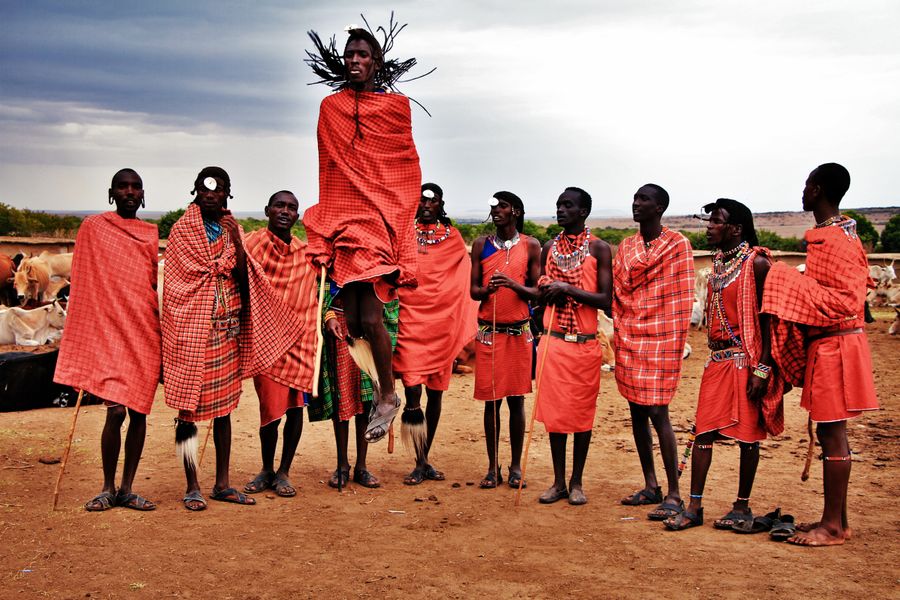
Tanzania has a rich and diverse culture, with over 120 different ethnic groups. The largest ethnic group is the Sukuma, followed by the Chagga, Haya, and Nyamwezi. Tanzanians are known for their hospitality and friendliness, and visitors can experience the local culture by participating in traditional dances, attending festivals, and trying local cuisine.
Tanzanian Cuisine
Tanzanian cuisine is diverse and flavorful, with a mix of African, Indian, and Arabic influences. Popular dishes include Ugali, a cornmeal porridge, and Nyama Choma, grilled meat. Visitors can also try local street food, including Samosas, Mandazi, and Chapati.
Tourist Attractions in Tanzania
Tanzania is a popular tourist destination, known for its stunning natural scenery and wildlife. Some of the top tourist attractions in Tanzania include:
Serengeti National Park
The Serengeti National Park is one of the most famous national parks in Africa, known for its incredible wildlife and the annual wildebeest migration. Visitors can see lions, elephants, giraffes, and many other animals in their natural habitat.
Ngorongoro Conservation Area
The Ngorongoro Conservation Area is a UNESCO World Heritage Site and is home to the Ngorongoro Crater, a massive volcanic caldera. Visitors can see wildlife, including lions, elephants, and rhinos, and learn about the local Maasai culture.
Mount Kilimanjaro
Mount Kilimanjaro is the highest peak in Africa and is a popular destination for climbers and hikers. The mountain has several different routes to the summit, each offering its own unique experience.
Zanzibar
Zanzibar is an archipelago off the coast of Tanzania, known for its white sandy beaches, clear blue waters, and historic Stone Town. Visitors can relax on the beach, go snorkeling or scuba diving, or explore the island's rich history and culture.
Lake Victoria
Lake Victoria is the largest lake in Africa and is shared by Tanzania, Kenya, and Uganda. Visitors can go fishing, boating, or take a boat tour to explore the lake's many islands.
Best Time to Visit Tanzania
The best time to visit Tanzania depends on what you want to see and do. The dry season, from June to October, is the best time for wildlife viewing, as the animals gather around water sources. The wildebeest migration takes place from July to October. The rainy season, from November to May, is the best time for bird watching and seeing lush green landscapes.
Tanzania's Economy
Tanzania's economy is primarily based on agriculture, with coffee, tea, cotton, and tobacco being the main exports. The country also has significant natural resources, including minerals and natural gas. Tourism is also an important industry, with visitors coming from all over the world to see Tanzania's wildlife and natural wonders.
Tanzania's Languages
Swahili and English are the official languages of Tanzania. Swahili is the most widely spoken language in the country, and it is used in schools, government, and the media.
Religion in Tanzania
Tanzania is a predominantly Christian country, with about 60% of the population being Christian. Islam is the second-largest religion, with about 35% of the population being Muslim. The remaining 5% of the population practices traditional African religions.
Conclusion
Tanzania is a fascinating country with a rich culture, diverse wildlife, and stunning natural beauty. Whether you are interested in climbing Mount Kilimanjaro, going on a safari, or relaxing on the beach, Tanzania has something to offer for everyone. With its welcoming people and vibrant culture, Tanzania is a must-visit destination in East Africa.