Serengeti National Park - Tanzania's Iconic Wildlife Sanctuary
Introduction
Welcome to the iconic Serengeti National Park, located in Tanzania, East Africa. Known for its vast savannahs, rich wildlife, and breathtaking landscapes, Serengeti National Park is a world-renowned destination for nature and wildlife enthusiasts. In this article, we will explore the beauty and diversity of this iconic wildlife sanctuary, including its wildlife, conservation efforts, safari experiences, accommodation options, cultural heritage, and much more.
Overview of Serengeti National Park
Serengeti National Park, covering an area of approximately 14,750 square kilometers, is one of Tanzania's oldest and most famous national parks. It is located in the northern part of Tanzania, extending to the Kenyan border, and is part of the larger Serengeti ecosystem, which also includes several other protected areas. The park is known for its vast open grasslands, dotted with acacia trees and rocky outcrops, also known as kopjes, which provide unique habitats for wildlife.
Wildlife of Serengeti National Park
Serengeti National Park is home to a diverse range of wildlife species, making it one of the best places in Africa for wildlife viewing. The park is known for its high density of large mammals, including the famous African Big Five - lions, elephants, leopards, buffalos, and rhinoceros, as well as other wildlife such as cheetahs, hyenas, zebras, giraffes, wildebeests, and many more. The park is also a haven for birdwatchers, with over 500 bird species recorded, including vultures, ostriches, eagles, and many colorful migratory birds.
The Great Migration
One of the most spectacular natural events that take place in Serengeti National Park is the annual Great Migration, which involves the movement of millions of wildebeests, zebras, and gazelles across the vast plains of the park in search of food and water. This awe-inspiring phenomenon is considered one of the greatest wildlife shows on Earth, and it draws thousands of tourists from around the world to witness this breathtaking spectacle. The Great Migration is a unique and unforgettable experience, showcasing the raw power of nature and the circle of life in the African savannah.
Conservation Efforts in Serengeti National Park
Serengeti National Park has a long history of conservation efforts, aimed at protecting its unique ecosystems and wildlife. The park is managed by the Tanzania National Parks Authority (TANAPA), in collaboration with various stakeholders, including local communities, conservation organizations, and international partners. Conservation efforts in Serengeti National Park include anti-poaching patrols, habitat restoration, community engagement, and scientific research. These efforts have helped in preserving the park's biodiversity and maintaining its ecological balance, ensuring that future generations can continue to enjoy this natural treasure.
Best Time to Visit Serengeti National Park
The best time to visit Serengeti National Park largely depends on the wildlife viewing opportunities and weather conditions. The park can be visited year-round, but different seasons offer different experiences. The dry season, from June to October, is considered the best time for wildlife viewing as the animals gather around water sources, and the vegetation is less dense, making it easier to spot them. The wildebeest migration also occurs during this time, with the herds crossing the Mara River, providing thrilling encounters with crocodiles and other predators.
The short rains occur in November and December, and the long rains occur from March to May, resulting in lush green vegetation, but also making it harder to spot wildlife due to the increased vegetation cover. However, the green season offers beautiful landscapes with plenty of newborn animals and migratory birds, making it a unique and picturesque time to visit.
Safari Experience in Serengeti National Park
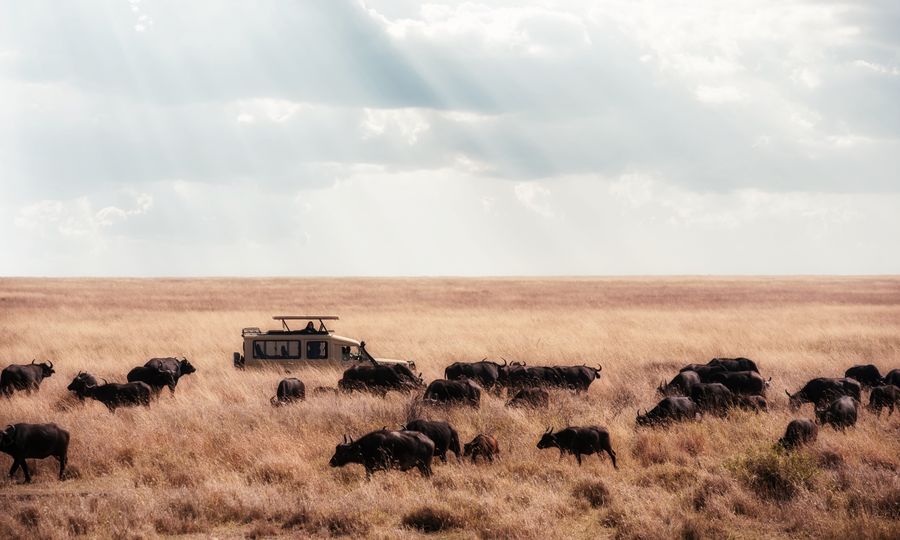
A safari in Serengeti National Park is an experience of a lifetime. The park offers various safari options, including game drives, walking safaris, and hot air balloon safaris, allowing visitors to explore its diverse landscapes and encounter its abundant wildlife up close. Game drives are the most popular way to explore the park, with experienced guides taking visitors on thrilling drives to search for the Big Five and other wildlife species. Walking safaris provide a more intimate experience, allowing visitors to track animals on foot and learn about the smaller details of the park's ecosystem. Hot air balloon safaris offer a unique perspective, providing a bird's eye view of the park and its wildlife from above.
Accommodation Options in Serengeti National Park
Serengeti National Park offers a range of accommodation options to suit different budgets and preferences. From luxury lodges and tented camps to mid-range campsites and budget-friendly options, there is something for everyone. Many of the lodges and tented camps are strategically located within the park, offering prime locations for wildlife viewing and immersing oneself in the wilderness. These accommodations provide comfortable amenities, delicious meals, and knowledgeable guides to enhance the overall safari experience. For those looking for a more adventurous experience, there are also campsites available for camping within the park, allowing visitors to connect with nature on a deeper level.
Activities and Attractions in Serengeti National Park
Apart from wildlife viewing, Serengeti National Park offers a range of other activities and attractions for visitors to enjoy. Cultural visits to local Maasai communities provide insights into the traditional way of life of the Maasai people, their customs, and their relationship with the park's wildlife. Guided nature walks offer a chance to explore the park on foot, learning about its flora, fauna, and ecosystems in a more intimate way. The park also has several viewpoints and picnic sites that offer panoramic views of the landscapes and are ideal for a leisurely break or a picnic lunch. Seronera Visitor Center is another attraction worth visiting, offering exhibits on the park's history, wildlife, and conservation efforts.
Cultural Heritage of Serengeti National Park
Serengeti National Park is not just about its wildlife and landscapes, but also has a rich cultural heritage. The park is home to the Maasai people, who have lived in the region for centuries and have a deep connection with the land and its wildlife. The Maasai are known for their unique way of life, colorful traditional attire, and intricate beadwork. Many Maasai communities reside in the outskirts of the park, and visitors have the opportunity to interact with them, learn about their customs, and support their livelihoods through cultural visits and purchases of their handicrafts.
How to Get to Serengeti National Park
Getting to Serengeti National Park is relatively easy, with several options available. The nearest international airport is Kilimanjaro International Airport (JRO), located in [Tanzania](/articles/welcome-to-tanzania/, which receives flights from various destinations around the world. From the airport, visitors can take a domestic flight to one of the airstrips within Serengeti National Park, such as Seronera Airstrip or Lobo Airstrip, which are well-connected to the park's different regions.
Another option is to fly into Julius Nyerere International Airport (DAR) in Dar es Salaam, Tanzania's largest city, and then take a domestic flight to one of the airstrips in Serengeti National Park. Alternatively, visitors can also opt for a road trip from major cities in Tanzania, such as Arusha or Dar es Salaam, which offer paved roads leading to the park. However, road trips may take longer and may require additional planning, including hiring a local guide and obtaining necessary permits.
Conservation Efforts and Sustainability
Serengeti National Park is not only renowned for its wildlife and natural beauty but also for its conservation efforts and sustainability practices. The park is managed by the Tanzania National Parks Authority (TANAPA) in collaboration with various conservation organizations and local communities. TANAPA implements strict rules and regulations to protect the park's wildlife, including anti-poaching patrols, habitat restoration, and community-based conservation initiatives.
Sustainability practices are also encouraged within the park, with responsible tourism being promoted. Visitors are advised to follow park rules, such as not littering, respecting wildlife and their habitats, and supporting local communities through cultural visits and purchases of local products. Many of the accommodations within the park also practice eco-friendly measures, such as using renewable energy, minimizing waste, and supporting local community development projects.
Conclusion
Serengeti National Park is a truly iconic wildlife sanctuary that offers a unique and unforgettable safari experience. From its vast savannahs and diverse landscapes to its abundant wildlife and rich cultural heritage, the park is a haven for nature and wildlife enthusiasts. Whether it's witnessing the wildebeest migration, embarking on a walking safari, or immersing in the Maasai culture, Serengeti National Park has something for everyone. By visiting this renowned national park responsibly and supporting its conservation efforts, visitors can contribute to the preservation of this natural wonder for future generations to enjoy.
Frequently Asked Questions (FAQs)
Q: Can I visit Serengeti National Park all year round?
A: Yes, the park can be visited year-round, but the best time for wildlife viewing is during the dry season from June to October.
Q: What animals can I expect to see in Serengeti National Park?
A: Serengeti National Park is home to the Big Five (elephant, lion, leopard, buffalo, and rhino) as well as other wildlife such as wildebeest, zebra, giraffe, cheetah, and many more.
Q: What is the wildebeest migration?
A: The wildebeest migration is a natural spectacle where millions of wildebeest, accompanied by zebra and other animals, migrate in search of food and water, crossing the Mara River in Serengeti National Park, often pursued by predators such as crocodiles and lions.
Q: What are the accommodation options in Serengeti National Park?
A: Serengeti National Park offers a range of accommodation options, including luxury lodges, tented camps, mid-range campsites, and budget-friendly options, to suit different budgets and preferences.
Q: Are there any cultural experiences in Serengeti National Park?
A: Yes, there are cultural experiences available in Serengeti National Park. Visitors can interact with the local Maasai communities, learn about their traditional ways of life, and participate in cultural activities such as traditional dances and handicrafts.
Q: How can I contribute to the conservation efforts in Serengeti National Park?
A: Visitors can contribute to the conservation efforts by following park rules, supporting sustainable tourism practices, and engaging in responsible wildlife viewing. Additionally, supporting local community development projects and conservation organizations through donations or volunteering can also make a positive impact.
Q: Is it safe to visit Serengeti National Park?
A: Yes, Serengeti National Park is generally safe for visitors. However, it is important to follow park rules, listen to the instructions of park rangers or guides, and take necessary precautions in wildlife areas.
Q: What is the best time to witness the wildebeest migration in Serengeti National Park?
A: The wildebeest migration usually takes place from June to October, but the exact timing and location of the migration can vary each year. It's best to check with local guides or park authorities for the most up-to-date information.
Q: Are there any restrictions or permits required for visiting Serengeti National Park?
A: Yes, visitors need to obtain a valid entry permit and pay park fees to enter Serengeti National Park. There may also be additional permits required for activities such as walking safaris or balloon safaris. It's important to check the latest requirements and regulations before planning a visit.
Q: Can I do self-driving safari in Serengeti National Park?
A: Yes, self-driving safaris are allowed in some parts of Serengeti National Park. However, it is recommended to hire a local guide or ranger for the best wildlife viewing experience and to ensure safety in the park.
In conclusion, Serengeti National Park in Tanzania is a world-renowned wildlife sanctuary that offers a unique and unforgettable safari experience. From its diverse landscapes and abundant wildlife to its rich cultural heritage and conservation efforts, it is a destination that captivates the hearts of nature enthusiasts and wildlife lovers alike. By visiting the park responsibly, supporting its conservation efforts, and respecting the local communities, visitors can contribute to the preservation of this iconic national park for future generations to enjoy.