Budget Travel in Tanzania - Tips for Traveling on a Shoestring

Introduction
Welcome to Tanzania, a stunning destination known for its diverse landscapes, abundant wildlife, and rich cultural heritage. Did you know that Tanzania is home to Mount Kilimanjaro, the highest peak in Africa? This fascinating fact is just the beginning of what this beautiful country has to offer.
As a traveler, you may be looking for ways to make the most of your Tanzania trip without breaking the bank. That's where the concept of budget travel comes in. Budget travel is all about maximizing your experiences while minimizing your expenses, allowing you to explore Tanzania on a shoestring budget.
Tanzania has become a popular travel destination in recent years, attracting adventurers and nature enthusiasts from all over the world. However, with the increasing popularity, the costs of travel can add up quickly. That's why it's essential to have budget-friendly options in mind to make your Tanzania trip affordable and memorable.
In this article, we will provide you with valuable tips and insights on how to travel on a budget in Tanzania, covering aspects such as planning your trip, saving on accommodation and food, getting around, exploring on a budget, interacting with locals, ensuring safety and security, and packing essentials. Let's dive in and discover how you can make your dream trip to Tanzania a reality without breaking the bank.
Planning Your Trip
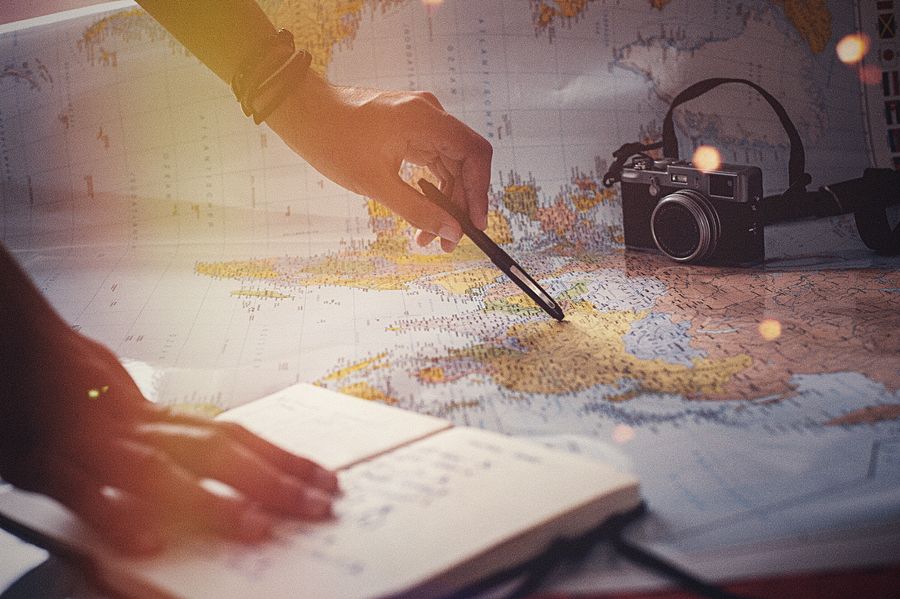
Planning is a crucial aspect of budget travel in Tanzania. By carefully planning your trip, you can make the most of your budget and have a cost-effective travel experience. Here are some tips to help you plan your Tanzania trip on a budget:
- Choose the right time to visit: The timing of your trip can significantly impact your budget. Consider visiting Tanzania during the shoulder season, which is the period between the high and low seasons. During this time, you can often find better deals on flights, accommodation, and activities. Also, research the weather patterns in Tanzania to avoid peak seasons or extreme weather conditions, which can affect the cost and availability of various services.
- Book flights and accommodation in advance: Booking your flights and accommodation in advance can help you save money. Look for flight deals and compare prices from different airlines to find the most affordable option. Consider booking accommodation directly through the hotel or guesthouse's website or using budget accommodation websites to find discounted rates. Hostels, guesthouses, and campsites are often budget-friendly options for accommodation in Tanzania.
- Consider budget-friendly transportation options: Transportation costs can add up quickly, so be mindful of your options. Public transportation, such as buses or shared taxis, can be more budget-friendly compared to private taxis or rental cars. Research local transportation options and their costs to make informed decisions.
- Look for discounts and promotions: Keep an eye out for discounts and promotions on various travel services such as tours, activities, and attractions. Many websites, tour operators, and accommodations offer discounted rates for early bookings, group bookings, or special promotions. Be sure to research and compare prices to find the best deals.
By planning your trip carefully, considering the right time to visit, booking flights and accommodation in advance, and looking for budget-friendly transportation options, you can make significant savings on your Tanzania trip. Next, we'll explore how you can save on accommodation and food expenses while traveling on a budget in Tanzania.
Saving on Accommodation
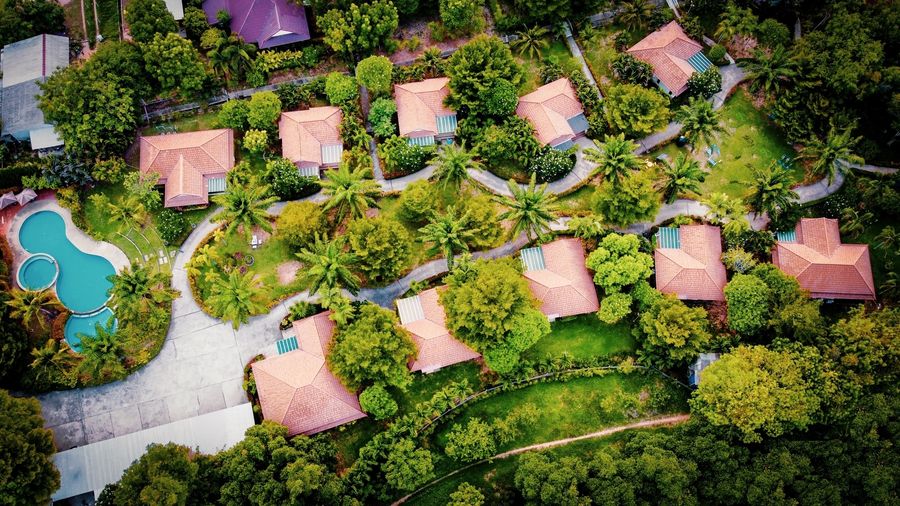
Accommodation is one of the significant expenses while traveling, but there are budget-friendly options in Tanzania that can help you save money without compromising on comfort or safety. Here are some tips on how to save on accommodation during your budget travel in Tanzania:
- Hostels, guesthouses, and campsites: Hostels, guesthouses, and campsites are popular budget-friendly accommodation options in Tanzania. Many cities and towns in Tanzania have hostels or guesthouses that offer affordable rates for budget travelers. These options often provide basic amenities such as dormitory-style or private rooms, shared bathrooms, and communal spaces. Camping in national parks or public campsites can also be a budget-friendly accommodation option for nature enthusiasts.
- Stay in local guesthouses or homestays: Staying in local guesthouses or homestays can be a more authentic and immersive experience while also saving on accommodation costs. Local guesthouses or homestays are typically run by local families, and they offer a glimpse into the local culture and way of life. These options are usually more affordable compared to hotels or resorts and provide an opportunity to interact with the locals and learn about their customs and traditions.
- Book in advance and compare prices: Booking your accommodation in advance can help you secure better deals and save on accommodation costs. Many guesthouses, hostels, and campsites offer discounted rates for early bookings. It's also a good idea to compare prices from different accommodation providers to find the most budget-friendly option. Many online booking websites and platforms allow you to compare prices and read reviews from other travelers to make an informed decision.
- Negotiate for discounts: Don't be afraid to negotiate for discounts, especially if you're staying for an extended period or traveling in a group. Some guesthouses, hostels, or campsites may be willing to offer discounted rates or special deals for longer stays or group bookings. It's worth trying to negotiate directly with the accommodation providers to see if you can get a better rate.
By choosing budget-friendly accommodation options such as hostels, guesthouses, and campsites, staying in local guesthouses or homestays, booking in advance and comparing prices, and negotiating for discounts, you can save on accommodation expenses during your budget travel in Tanzania. Next, we'll explore how you can save on food and dining expenses while traveling on a shoestring budget in Tanzania.

Eating on a Budget
Food is an essential part of any travel experience, and Tanzania offers a rich culinary culture to explore. However, eating out in restaurants can quickly add up, especially when you're on a budget. Here are some tips on how to save on food and dining expenses during your budget travel in Tanzania:
- Cook your own meals or eat at local eateries: If you have access to a kitchen or cooking facilities, consider cooking your own meals using local ingredients. Visiting local markets or grocery stores and buying fresh produce can be a cost-effective way to prepare your own meals. Alternatively, eating at local eateries or small local restaurants can also be budget-friendly, as they often offer more affordable prices compared to touristy restaurants.
- Look for local food specials or set menus: Many restaurants or eateries in Tanzania offer daily food specials or set menus, which can be more budget-friendly compared to ordering a la carte. These specials or set menus often include a combination of dishes at a discounted price, allowing you to try different local flavors while saving on costs.
By cooking your own meals or eating at local eateries, and looking for local food specials or set menus, you can save on food and dining expenses during your budget travel in Tanzania. Next, we'll explore other tips for saving on transportation and activities in Tanzania while traveling on a shoestring budget.
Getting Around on a Budget
Transportation is an important aspect of travel, and Tanzania offers several options for budget-conscious travelers. Here are some tips on how to get around Tanzania on a budget:
- Use public transportation: Public transportation such as buses or shared taxis, also known as "dala dalas" or " matatus," are often the most cost-effective way to travel within Tanzania. These options are widely available in most cities and towns, and they are used by locals as well as tourists. While they may not always be the most luxurious or comfortable, they are usually the cheapest option for getting around. Be sure to research the routes, fares, and safety precautions before using public transportation in Tanzania.
- Consider renting a car and sharing costs: If you're traveling with a group or other travelers, renting a car and sharing the costs can be a budget-friendly option for transportation in Tanzania. Splitting the cost of fuel, rental fees, and other expenses among several people can help reduce individual costs. However, keep in mind that driving in Tanzania may require an international driving permit and navigating through unfamiliar roads, so make sure to research and plan accordingly.
- Negotiate fares and use apps for ride-sharing: When using taxis or other forms of transportation, don't be afraid to negotiate fares. In Tanzania, fares for taxis or other modes of transportation may not always be fixed, and bargaining can help you save on costs. Additionally, some ride-sharing apps like Uber or Bolt may be available in certain cities in Tanzania, offering transparent pricing and convenient transportation options.
- Find travel buddies to split costs: Another option for saving on transportation costs in Tanzania is to find travel buddies to split the expenses. You can connect with other travelers through online forums, social media groups, or travel communities and plan to travel together. This way, you can share the costs of transportation, such as hiring a private car or booking a group tour, and save on expenses.
By using public transportation, considering renting a car and sharing costs, negotiating fares, using apps for ride-sharing, or finding travel buddies to split costs, you can get around Tanzania on a budget while exploring its diverse landscapes and vibrant culture. Next, we'll discuss how to save on activities and attractions during your budget travel in Tanzania.
Exploring on a Budget
Tanzania is renowned for its breathtaking natural beauty and abundant wildlife, and there are ways to explore its attractions on a budget. Here are some tips for exploring Tanzania on a budget:
- Visit national parks or conservation areas with affordable entrance fees: Tanzania is home to numerous national parks and conservation areas, including the famous Serengeti National Park, Ngorongoro Conservation Area, and Tarangire National Park, among others. While some of these parks may have higher entrance fees for international tourists, there are also options for budget-friendly entrance fees for residents or East African citizens. Research the different parks and their entrance fees, and choose the ones that fit your budget.
- Join group tours or safaris for cost-effective exploration: Group tours or safaris can be a cost-effective way to explore Tanzania's natural beauty and wildlife. Many tour operators offer group packages that can help you save on costs by sharing expenses with other travelers. Joining a group tour or safari can also provide an opportunity to meet like-minded travelers and share the experience with others. However, be sure to research and choose reputable tour operators or guides to ensure a safe and enjoyable experience.
- Research and compare prices: Do your research and compare prices of different tour operators, guides, or activity providers to find the most budget-friendly options. Look for reviews, recommendations, and testimonials from previous travelers to gauge the reliability and quality of the services offered. Keep in mind that the cheapest option may not always be the best, so balance cost with value and reputation.
- Consider self-guided activities: If you're confident in navigating and exploring on your own, self-guided activities can be a budget-friendly option. For example, you can hike in some of Tanzania's national parks, explore local villages, or visit cultural sites on your own without the need for a guide. Just make sure to follow rules, regulations, and safety guidelines, and respect the local customs and environment.
By visiting national parks or conservation areas with affordable entrance fees, joining group tours or safaris, researching and choosing reputable tour operators or guides, or considering self-guided activities, you can explore Tanzania's natural beauty and wildlife on a budget. Next, we'll discuss some general tips for saving money during your budget travel in Tanzania.
Interacting with Locals
Interacting with locals can greatly enhance your travel experience in Tanzania and provide a deeper understanding of the local culture. Here are some tips for interacting with locals on a budget:
- Learn basic Swahili phrases: Swahili is the most widely spoken language in Tanzania, and learning some basic Swahili phrases can go a long way in connecting with locals and showing respect for their culture. Simple greetings, phrases for asking directions, and expressing gratitude can help you communicate and bond with locals, even if you have limited language proficiency. Locals appreciate the effort made to speak their language and it can lead to meaningful interactions and cultural exchange.
- Stay with local families or participate in cultural exchange programs: Consider staying with local families or participating in cultural exchange programs to immerse yourself in the local way of life. Many communities in Tanzania offer homestay programs where you can stay with a local family, learn about their culture, and participate in their daily activities. This can provide an authentic and enriching experience while also supporting the local community. Look for reputable homestay programs or cultural exchange programs offered by local organizations or community-based tourism initiatives.
- Support local businesses, markets, and artisans: Supporting local businesses, markets, and artisans not only contributes to the local economy but can also help you save on costs. Local markets are often more affordable than tourist-oriented markets, and buying from local artisans can be a unique and meaningful souvenir. Additionally, eating at local eateries or restaurants can be more budget-friendly than touristy restaurants, and it also gives you a chance to try local cuisine and interact with locals.
- Respect local customs and traditions: It's important to respect local customs and traditions while interacting with locals in Tanzania. Be mindful of cultural norms, dress appropriately, and show respect for local customs and traditions. Learning about the local culture and customs beforehand can help you navigate social interactions with locals and show your appreciation for their way of life.
By learning basic Swahili phrases, staying with local families or participating in cultural exchange programs, supporting local businesses, markets, and artisans, and respecting local customs and traditions, you can have meaningful interactions with locals and gain a richer travel experience in Tanzania while staying on a budget. Next, we'll discuss some general tips for saving money during your budget travel in Tanzania.
Safety and Security
Safety and security are important considerations for any traveler, especially when traveling on a budget in a foreign country like Tanzania. Here are some tips to ensure your safety and security during your budget travel in Tanzania:
- Research and choose safe accommodation and transportation options: When traveling on a budget, it's important to research and choose safe accommodation and transportation options. Look for reputable guesthouses, hostels, or campsites with positive reviews from previous travelers. Avoid staying in remote or unsafe areas, and choose reliable transportation options, such as reputable bus companies or registered taxis. Always prioritize your safety and security over cost when choosing accommodation and transportation.
- Travel in groups or with a reputable tour operator: Traveling in groups or with a reputable tour operator can add an extra layer of safety and security, especially when exploring remote or unfamiliar areas. Joining a group tour or safari can provide a structured and guided experience with experienced guides who are knowledgeable about the local terrain, culture, and customs. Research and choose reputable tour operators with positive reviews and certifications from relevant authorities.
- Stay informed about local laws, customs, and current events: It's important to stay informed about local laws, customs, and current events to avoid any potential risks. Familiarize yourself with local laws and customs, such as dress codes, religious practices, and social norms. Stay updated on current events, such as local protests or demonstrations, and avoid areas with potential security risks. Follow local advice and guidelines, and always respect the local culture and customs.
- Take precautions for personal safety: Just like in any other destination, taking precautions for personal safety is important in Tanzania. Be aware of your surroundings, especially in crowded or unfamiliar areas, and keep your belongings secure. Avoid displaying expensive belongings or carrying large amounts of cash. Use lockers or safes for valuables, and avoid walking alone in unfamiliar or unsafe areas, especially at night. It's also a good idea to have a photocopy of your passport and important documents in case of emergencies.
By researching and choosing safe accommodation and transportation options, traveling in groups or with a reputable tour operator, staying informed about local laws, customs, and current events, and taking precautions for personal safety, you can ensure a safe and secure travel experience while on a budget in Tanzania. Next, we'll provide some general tips for saving money during your budget travel in Tanzania.
Packing Essentials
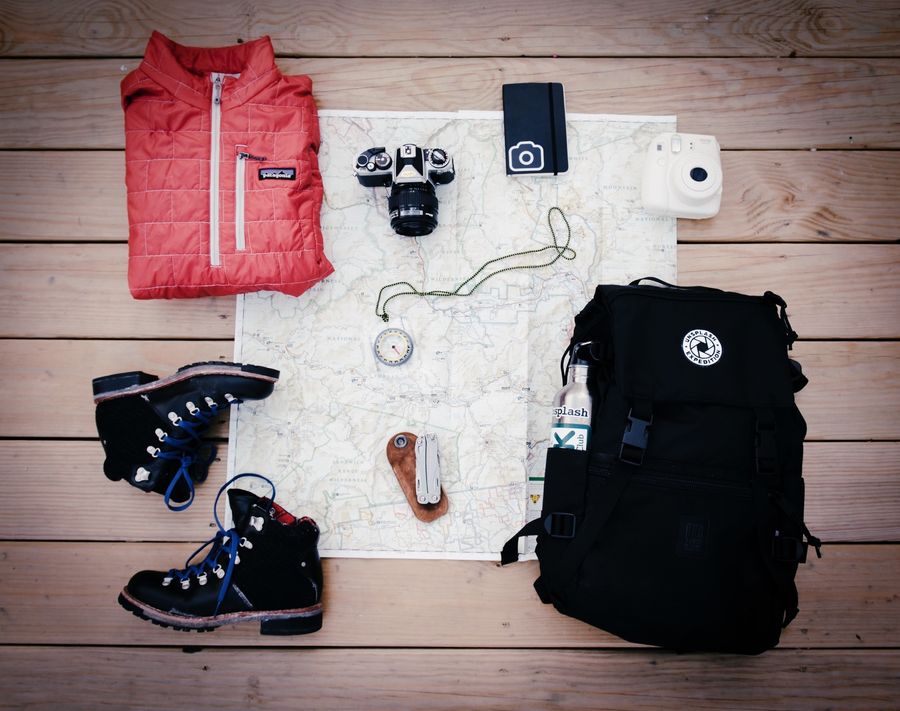
Packing the right essentials is crucial for a successful budget travel experience in Tanzania. Here's a comprehensive packing list to ensure you have everything you need:
- Clothing: Pack lightweight, breathable clothing suitable for the tropical climate of Tanzania. Include items such as t-shirts, shorts, lightweight pants, a hat, sunglasses, and a swimsuit. It's also recommended to pack a light jacket or sweater for cooler evenings or higher altitudes.
- Footwear: Bring comfortable, sturdy shoes for outdoor activities, such as hiking boots or sturdy sandals for walking and exploring. Flip-flops or sandals are also useful for beach or shower use.
- Gear: If you plan on camping or hiking, consider bringing a camping tent, sleeping bag, camping stove, and other necessary camping gear. Additionally, a headlamp or flashlight, and a multi-purpose tool can be handy.
- Essentials: Don't forget to pack your passport, visa, travel insurance, and any other important documents. Bring a reusable water bottle, sunscreen, insect repellent, hand sanitizer, and any necessary medications. A basic first-aid kit with band-aids, antiseptic cream, and other essentials is also recommended.
- Electronics: Bring a camera or smartphone for capturing memories, along with chargers and power banks. A universal adapter may also come in handy for charging your devices.
- Money and cards: Carry enough cash in local currency (Tanzanian shillings) for daily expenses, as some places may not accept cards. Also, carry a debit/credit card for emergencies or larger expenses, and inform your bank about your travel plans to avoid card issues.
- Local SIM card: Consider purchasing a local SIM card for your mobile phone to have access to local communication and data services at a lower cost.
- Other items: Items like a lightweight travel towel, reusable shopping bag, and a padlock for securing your belongings can be useful during your budget travel in Tanzania.
It's important to pack light and only bring essential items to avoid additional luggage costs, especially if you plan on using domestic flights or public transportation. Also, remember to pack sunscreen, insect repellent, and other necessary items for outdoor activities to protect yourself from the harsh African sun and prevent insect bites.
Additionally, if you prefer to travel light, you can consider purchasing or renting gear locally in Tanzania to save on packing and luggage costs. Many tour operators or outdoor activity providers in Tanzania offer gear rental options, which can be cost-effective and convenient.
By packing the right essentials, packing light, and being prepared for outdoor activities, you can ensure a smooth and hassle-free budget travel experience in Tanzania.
Conclusion
Traveling on a budget in Tanzania can be an adventurous and rewarding experience. By following key tips and being mindful of your expenses, you can explore the natural beauty, wildlife, and rich culture of Tanzania without breaking the bank.
To recap, careful planning, researching, and making informed choices are essential for budget travel in Tanzania. This includes researching affordable accommodation options, transportation, and tour operators, as well as budgeting for meals, activities, and other expenses.
Embrace the adventure of budget travel and immerse yourself in the local culture by interacting with locals, trying local street food, and participating in cultural exchange programs. Remember to respect the local customs and traditions by learning basic Swahili phrases and supporting local businesses, markets, and artisans.
Pack light, but don't forget the essentials such as sunscreen, insect repellent, and necessary medications for outdoor activities. Consider renting or purchasing gear locally to save on packing and luggage costs.
Lastly, stay mindful of safety and security by researching safe accommodation and transportation options, traveling in groups or with reputable tour operators, and staying informed about local laws, customs, and current events.
So, embrace the spirit of adventure, plan wisely, and make the most of your budget travel experiences in Tanzania. With careful planning and informed choices, you can have an unforgettable and budget-friendly trip exploring the wonders of Tanzania. Safe travels!
FAQs
Q: Is Tanzania a safe destination for budget travelers?
A: Tanzania, like any other destination, requires travelers to exercise caution and be aware of their surroundings. Researching safe accommodation and transportation options, traveling in groups or with reputable tour operators, and staying informed about local laws and customs can help ensure a safe travel experience.
Q: What are the best months to visit Tanzania for budget travel?
A: The best months for budget travel in Tanzania are typically during the shoulder seasons, which are the months of March to May and October to November. During these times, the weather is generally pleasant, and there are fewer tourists, resulting in lower prices for accommodation and activities.
Q: Are there affordable options for accommodation in Tanzania?
A: Yes, Tanzania offers various affordable accommodation options such as hostels, guesthouses, and campsites. Staying in local guesthouses or homestays can also provide a more authentic experience and may be budget-friendly compared to luxury hotels.
Q: How can I save on food expenses while traveling on a budget in Tanzania?
A: To save on food expenses while traveling on a budget in Tanzania, cooking your own meals using local ingredients or eating at local eateries can be cost-effective.
Q: What are some budget-friendly transportation options in Tanzania?
A: Public transportation such as buses or shared taxis can be cost-effective options for getting around in Tanzania. Renting a car and sharing costs with other travelers is another option to consider. Negotiating fares, using apps for ride-sharing, or finding travel buddies to split costs can also help save on transportation expenses.
Q: Are there any affordable ways to explore the wildlife and natural beauty of Tanzania?
A: Yes, there are affordable ways to explore the wildlife and natural beauty of Tanzania. Visiting national parks or conservation areas that offer affordable entrance fees, joining group tours or safaris, or opting for self-guided hikes or walks can be budget-friendly options.
Q: How can I interact with locals and experience Tanzanian culture on a budget?
A: Interacting with locals and experiencing Tanzanian culture can be done on a budget by learning basic Swahili phrases to communicate, staying with local families or participating in cultural exchange programs, and supporting local businesses, markets, and artisans. Engaging in local activities and festivals can also provide a cultural experience without breaking the bank.