Best Time to Visit Tanzania - A Seasonal Guide for Safari Enthusiasts
[Tanzania](/articles/welcome-to-tanzania/, located in East Africa, is a dream destination for safari enthusiasts seeking a thrilling wildlife adventure. With its diverse landscapes, abundant wildlife, and rich cultural heritage, Tanzania offers an unparalleled safari experience. However, planning a safari trip requires careful consideration of various factors, including the best time to visit. In this article, we will provide a seasonal guide for safari enthusiasts to determine the best time to visit Tanzania and make the most out of their safari experience.
Factors to Consider
When planning a safari trip to Tanzania, it's crucial to take into account several factors that can greatly impact the overall experience. These factors include weather patterns, wildlife migration patterns, crowds, and prices.
Weather patterns: Tanzania experiences two main seasons - the dry season and the wet season. There are two rainy seasons: from mid-March to May, and from November to mid-January. The dry season, with cooler temperatures, lasts from May to October.
Wildlife migration patterns: Tanzania is famous for the annual Great Wildebeest Migration, where millions of wildebeest, zebras, and other herbivores move across the Serengeti ecosystem in search of greener pastures. The timing of this migration can vary depending on the rainfall patterns and can greatly impact the wildlife viewing opportunities.
Crowds and prices: The number of tourists visiting Tanzania can vary greatly depending on the time of year. During peak seasons, such as the dry season, popular national parks can get crowded, resulting in higher prices for accommodations and safari tours. On the other hand, visiting during the low season may offer more affordable prices and fewer crowds, but the wildlife viewing may be less optimal.
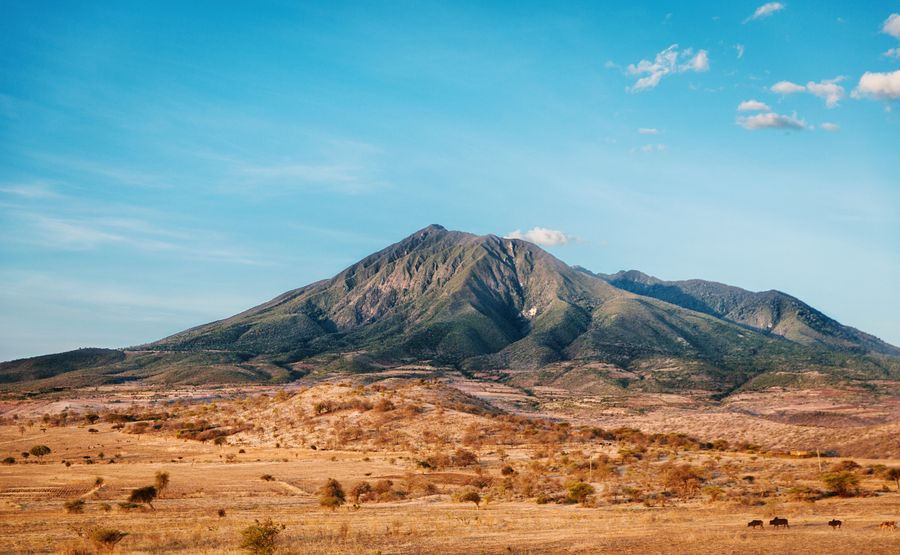
Dry Season (June to October)
The dry season, which spans from May to October, is widely considered the best time to visit Tanzania for safari enthusiasts. During this time, the weather is generally dry and sunny, making it easier to spot wildlife as they gather around water sources.
Weather and wildlife conditions: The dry season is characterized by clear skies and cooler temperatures, making it a pleasant time to explore [Tanzania](/articles/welcome-to-tanzania/'s national parks. As the water sources dry up, animals congregate around rivers, lakes, and waterholes, providing excellent opportunities for wildlife sightings. Moreover, the dry season is also the calving season for wildebeest, zebras, and other herbivores, resulting in increased predator activity and thrilling wildlife encounters.
Advantages of visiting during the dry season: In addition to optimal weather and wildlife conditions, the dry season also offers other advantages for visitors. The roads in the national parks are usually in better condition, allowing for easier access to different areas. This means that you can explore a larger area of the national parks and have more flexibility in your safari itinerary. Additionally, the dry season is less buggy compared to the wet season, which means fewer mosquitoes and other insects to contend with.
In conclusion, the dry season is considered the best time to visit Tanzania for a safari adventure. With favorable weather conditions, optimal wildlife sightings, and the opportunity to witness the Great Wildebeest Migration, it's an unforgettable experience. Proper planning and booking in advance are recommended to secure your preferred accommodations and guides during this peak tourist season.
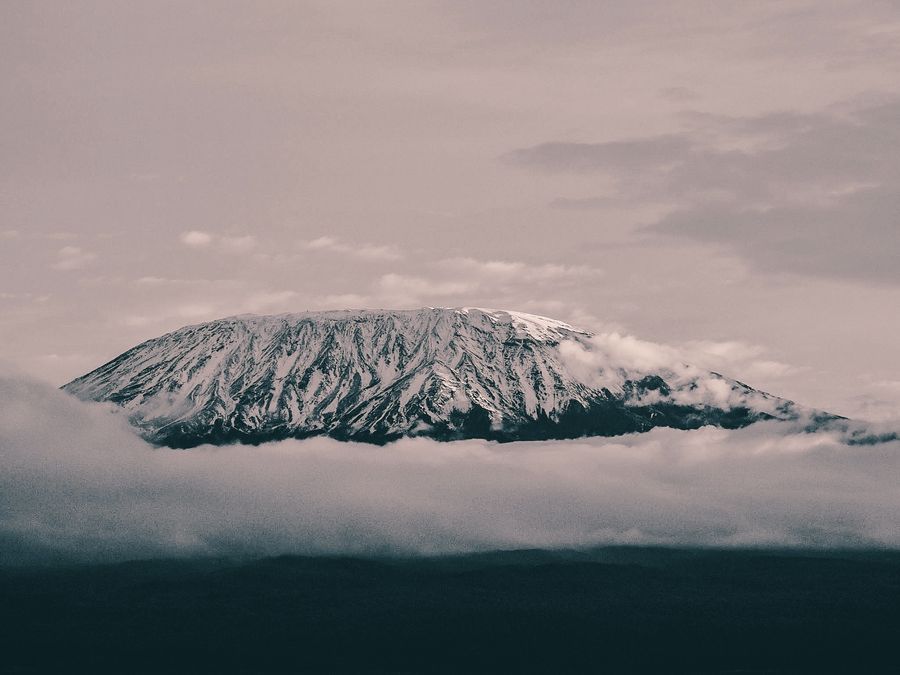
Wet Season (November to May)
The wet seasons in Tanzania are characterized by rain showers and occasional thunderstorms. While it may not be the most popular time to visit, the wet season has its own unique advantages for safari enthusiasts.
Weather and wildlife conditions: The wet season brings lush greenery to Tanzania's national parks, creating a picturesque landscape. The rain also fills up the rivers and lakes, providing ample water for wildlife, which can lead to an increase in animal activity and excellent birdwatching opportunities. Additionally, the wet season is the calving season for wildebeest in the southern Serengeti, making it a unique time to witness this natural phenomenon.
Pros and cons of visiting during the wet season: Visiting Tanzania during the wet season can be rewarding in terms of unique wildlife experiences and stunning scenery. However, it's important to note that the rain can make some areas of the national parks inaccessible, and the increased vegetation can make wildlife sightings more challenging. Additionally, the wet season is also the low season for tourism in Tanzania, which means fewer crowds and potentially lower prices for accommodations and safari tours.
Conclusion
Tanzania offers a thrilling safari experience for wildlife enthusiasts, and the best time to visit depends on various factors such as weather patterns, wildlife migration, crowds, and prices. The dry season is generally considered the best time for optimal wildlife sightings, while the wet seasons offer unique experiences despite some challenges. By considering these factors, safari enthusiasts can plan a memorable trip to this remarkable African destination.